|
PROJECT LIFESAVER
On September 29, 2004 six
members of the Lee County Sheriff's Office received training
on
one of the most up-to-date community projects in the nation.
Project Lifesaver uses state of
the art technology in
assisting those who care for victims of Alzheimers
and other related mental
dysfunctional
disorders. Victims include the elderly and even the youngest in
our community. Victims
tend
to wander from their homes and therefore are in danger. Lifesaver
places radio transmitters on these "wandering ones" , then officers trained in using the
receivers and other locating equipment are notified and able to
find the "lost" in minutes. The estimated cost of the
program is expected to be about $25 monthly. This not only includes the
equipment, but also the will cover the cost of periodically having the
equipment checked and updated by a trained officer. The Lee
County Sheriff's Office is pleased to be able to present this to the
citizens of our community. Project Lifesaver is a wonderful
program that allows us to show communities that we really do
care. We hope you do too.
For more information on applying
for the project or for making donations contact Major Jimmy
Woodard at Lee County
Sheriff's Office, P.O. Box 177 Jonesville, VA 24263 or phone
276-346-7777.
_______________________________________________________________________________
Lee County
Victim/Witness Program
P.O. Box 177 Jonesville, VA 24263
( 33640 Main Street Suite
203B 3rd floor)
PHONE 276-346-2689
FAX: 276-346-7706
Email: ddkolb@leecova.org
|
|
What is a victim?
A victim is:
A person who has suffered physical, psychological or
economic harm as a direct result of a felony or of an assault and
battery, stalking, sexual battery, attempted sexual battery or driving
while intoxicated;
A parent or legal guardian of such person who is a minor
A spouse, child, parent, or legal guardian of such person
who is physically or mentally incapacitated or was a victim of a
suicide
The Victim/Witness Staff provides the following services upon
request for crime victims:
Courtroom Assistance
Criminal Justice Process Support and Explanation
Accompaniment to Court
Trial Preparation Assistance
*Tips for
Testifying
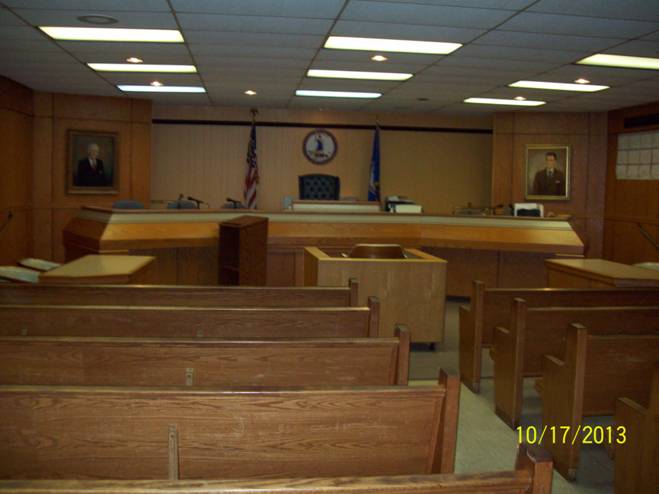
Courtroom Tours
Confidentiality Forms
Interpreter Services
Financial Assistance
Criminal Injuries Compensation Fund
Restitution
Referrals to Social Service or Other Agencies
Property Return
Victim Input
Commonwealth’s Attorney Liaison
Victim Impact Statement and Preparation
Parole Input for Cases Before 1995
Right to Remain in Courtroom on Specific Cases
Notifications
Case Status Information
Notice of Court Dates
Release of Prisoners (Dept. of Corrections or Local)
Employer Intercession
Status of Bond
Victim Notification Forms
Notice of Appeal and Habeas Corpus
Protection
Protection Orders
Separate Waiting Room
Court Accompaniment
Safety Planning
Support Services
Crisis Intervention
Crisis Referrals
Emergency Assistance
Tips for Courtroom Appearances 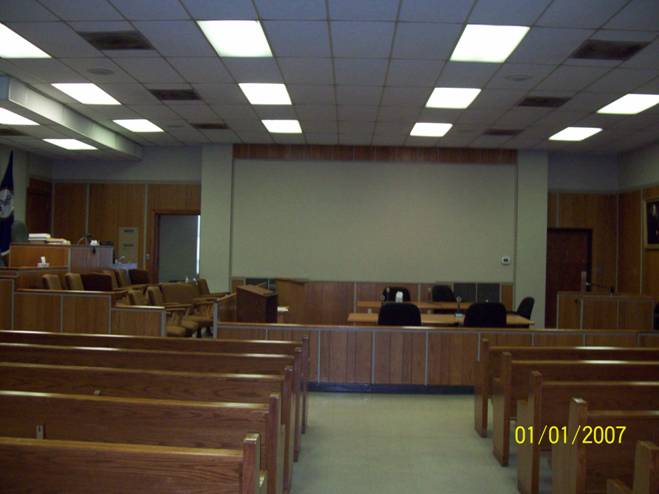
Tell the truth
- Have
dates, times, places and other details clear in your mind.
- Bring
photos, medical records, receipts, values of stolen property, estimates of damage to verify restitution.
- Do
not have your cell phone or pager turned on in the courtroom.
- Your
clothing should be appropriate, clean and conservative.
Please no jeans with holes, no shorts,
mini-skirts, belly shirts, or T-Shirts with logos.
- Be
prepared to wait. Bring change for snack machines, and a
book or other quiet activity to occupy your time and or
child’s.
- Look
at the Judge during your testimony. If you hear “objection”
stop talking until the Judge makes a decision. If you do not
know the answer, say, “I don’t know.” Do not guess. If you do not
understand a question, say, “I don’t understand the question.”
- Speak
loudly, clearly and concisely. Do not use slang unless you are
exactly repeating language used during the crime. Answer only
questions asked, and do not add to the answer.
- Your
testimony should describe the nature and extent of the injuries or
damage resulting from the crime and whether a weapon was
used. Your testimony should not contain your opinion unless
you are asked. Do not offer a judgment about the defendant
or argue with the defense attorney.
DANGER
Lee County's Drug and
Anger Management for Elementary Students
|
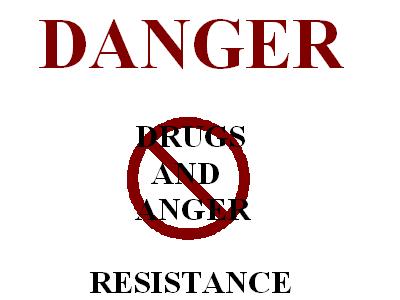
The Lee County Sheriff's "DANGER"
Program is a cooperative
program between the Sheriff's Office and the Lee County School
Board. It is designed to educate elementary age students of
the dangers of both drug abuse and "angry actions".
The program consists of ten lessons including information about
drug abuse and addiction, anger management, conflict resolution and
becoming productive citizens.
This program replaces D.A.R.E.
(Drug Abuse Resistance Education). During the school board
meeting when the new program was implemented Sheriff Parsons
was quoted as saying D.A.R.E. no longer met the needs of Lee
County. Being unable to update the lesson plans due to strict
guidelines, caused us to look into a program that we feel suits our
locality. As the problems of the county changes, the new
program will enable us to direct our attention to "matters at
hand". The D.A.R.E. Program served us well, but our
hopes are that the new program will help the students even
more. Lee County D.A.N.G.E.R. program lessons included: PEER PRESURE, INTERNET SAFETY, DECISION MAKING, DOMESTIC VIOLENCE, CRIMINAL ACTIVITY, DRUG, ALCOHOL, AND TOBACCO PREVENTION. Deputy Bobby Slusher is the
instructor assigned to the schools to teach the new program. The program will be conducted for 5th grade students in all Lee County Schools.
|
|
|
|
|